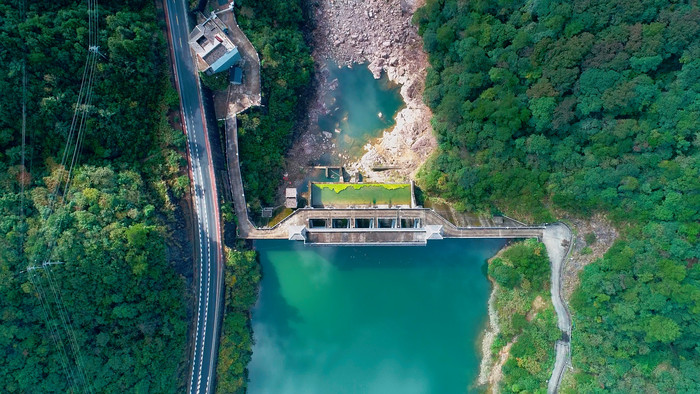
ستتناول هذه المقالة سوق تحديث محطات الطاقة الكهرومائية الصغيرة في فرنسا، وفرص الاستثمار، والإصلاحات السياسية، واتجاهات التحديث التقني.
أولاً: فرنسا في شهر مايو: لقاء مع الربيع والإنسانية

يُعد شهر مايو فصل الربيع في فرنسا. كانت أشجار الدلب على طول شوارع باريس تُخرج أوراقها الخضراء النضرة، وكان نهر السين يتلألأ تحت أشعة الشمس الساطعة، وكانت المدينة بأكملها تعج بالحياة. بعد 12 شهرًا طويلًا بعد رحلة استغرقت ساعتين و40 دقيقة، هبطت في مطار شارل ديغول منهكاً.
لكن جمال باريس يتلاشىتخلص من التعب. من الفن الكلاسيكي في متحف اللوفر إلى الشعر الفولاذي لبرج إيفل؛ من القبة الكبرى للبانثيون إلى المساحات المفتوحة الواسعة في ساحة الكونكورد؛ ثم إلى أبراج نوتردام المتضررة من الحريق ولكنها لا تزال شامخة، كل معلم يحمل ثقل التراث الفرنسي.
ما ترك انطباعاً أعمق هو دفء الشعب الفرنسي. سواءً كان غريباً يرشدني في محطة القطار أو أصدقاء قدامى يعيشون هنا في فرنسا، كنت محظوظاً بتلقي الكثير من المساعدة طوال الرحلة. لذا، لم تكن هذه الرحلة مجرد معاينة مهنية لمشاريع الطاقة الكهرومائية، بل كانت أيضاً لقاءً حقيقياً مع الثقافة وكرم الضيافة.
ثانياً: الغرض من الزيارة
كان الهدف الرئيسي من هذه الرحلة هو الاطلاع على واقع تشغيل وصيانة محطات الطاقة الكهرومائية الصغيرة والمتوسطة في فرنسا، وتحديد جدوى الاستثمار فيها. قبل وصولي، كنا قد تعاونا مع شركائنا الفرنسيين لتقييم منسوب وتدفق نهر اللوار، ووضعنا خطة أولية لتركيب التوربينات والمولدات الكهرومائية. خلال وجودي في فرنسا، ركزت على حوض نهر اللوار، وهو نهر رئيسي في شمال وسط غرب فرنسا، وأحد روافد نهر سارت، ويمر عبر مقاطعة أور ولوار وما بعدها.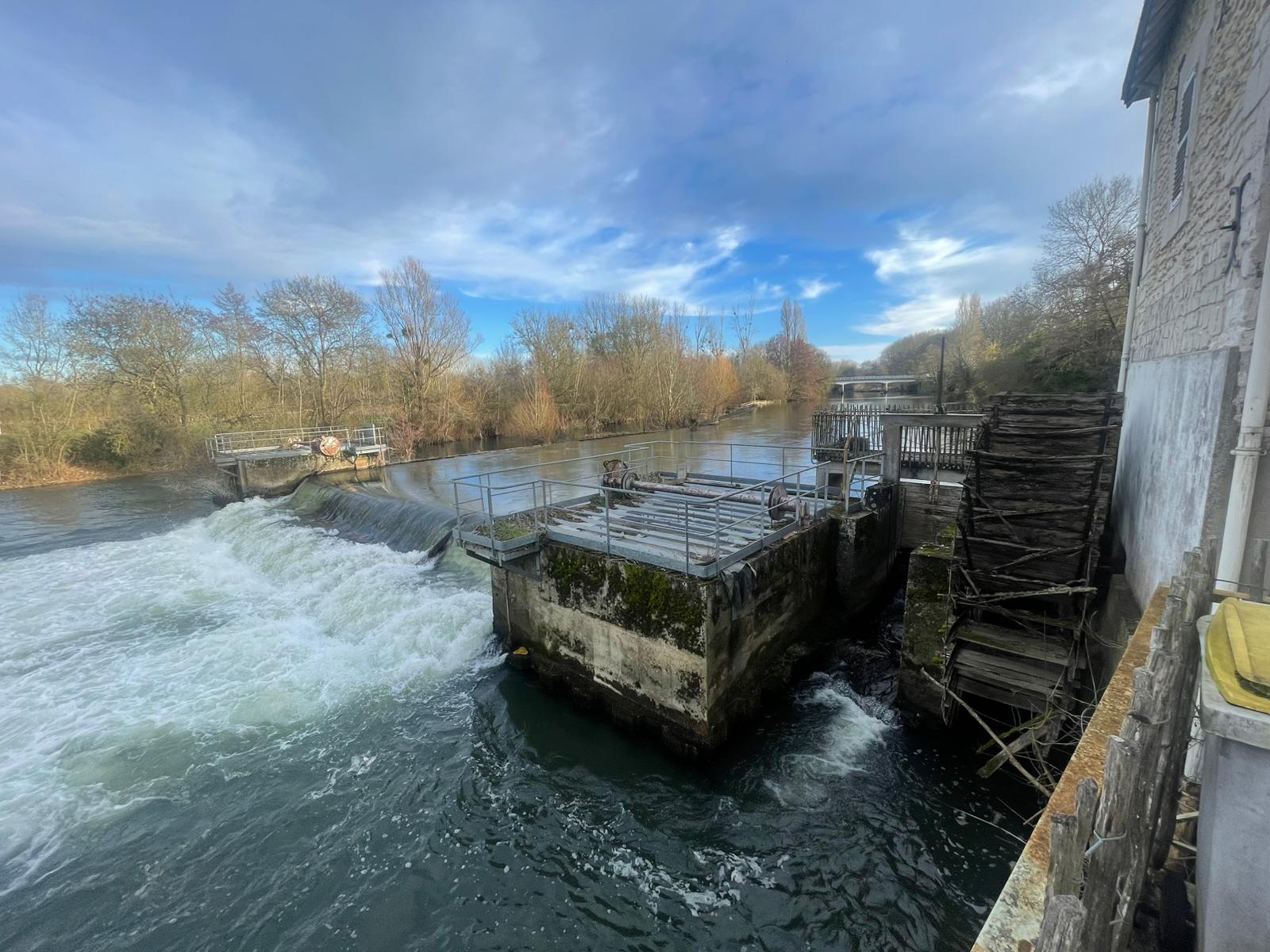
يتمتع حوض نهر اللوار بإمكانيات جيدة لتوليد الطاقة الكهرومائية. صحيح أنه ليس بحجم نهر الرون من حيث التدفق، إلا أنه عند التقائه بمنطقة ماسيف سنترال ونهر اللوار نفسه، تتشكل بيئة مثالية لتطوير مشاريع الطاقة الكهرومائية ذات التدفق المتوسط إلى المنخفض والمنخفض. ومن الأمثلة الجيدة على ذلك محطة فيليريست لتوليد الطاقة الكهرومائية، التي تبلغ طاقتها المركبة 66 ميغاواط، موزعة على وحدتين، وتعتمد على تصميم جريان النهر. وقد بدأت المحطة العمل عام 1984، وتتولى تشغيلها شركة كهرباء فرنسا (EDF). ومن منظور استثماري، تجاوز عمر محطة فيليريست الآن 40 عامًا، حيث بدأت المعدات الرئيسية تظهر عليها علامات التقادم، وهناك مجال لتحسين كفاءتها. باختصار، تُعد المحطة مرشحة مثالية للتحديث التقني.
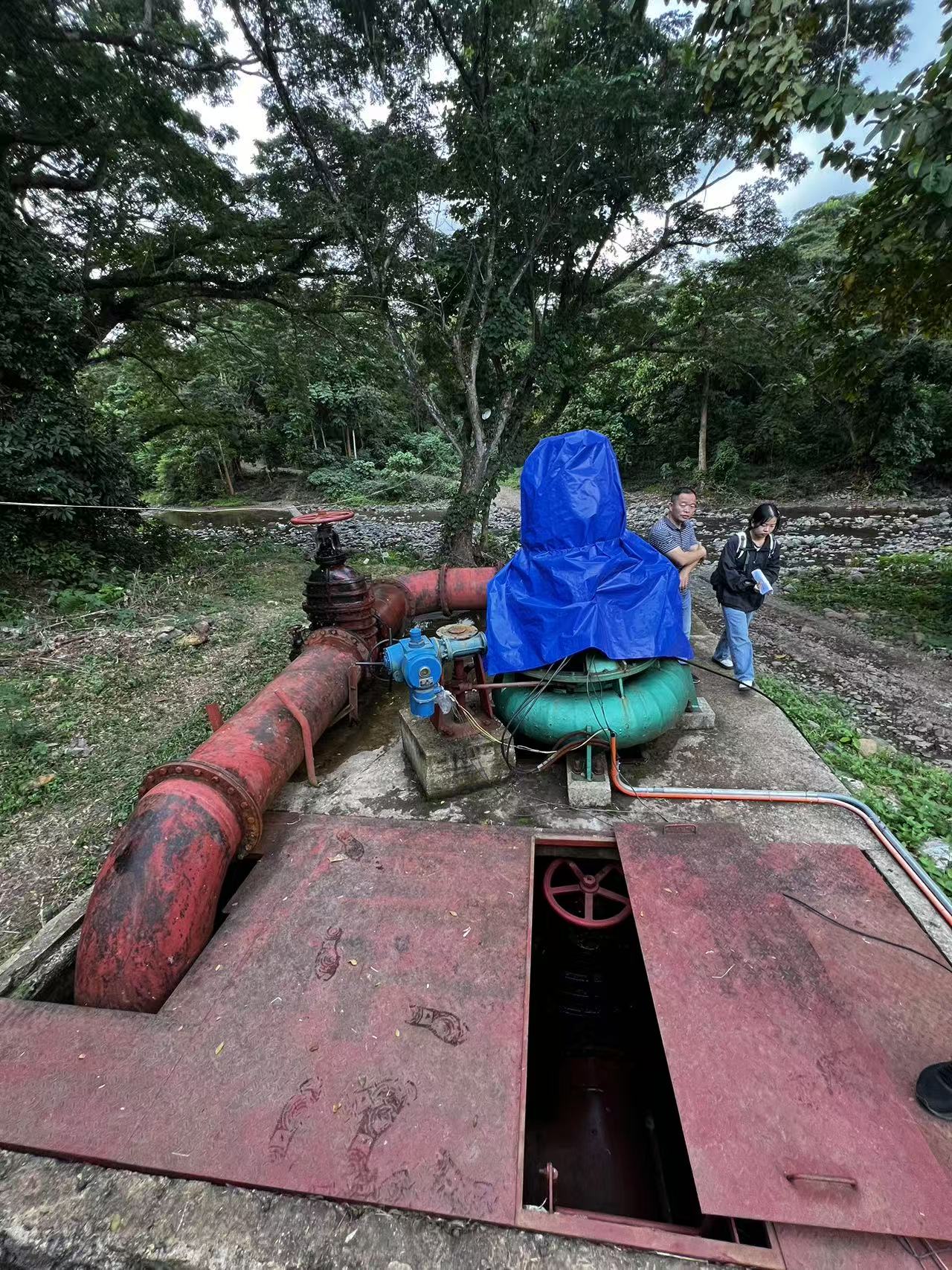
بالإضافة إلى ذلك، قمنا بمعاينة موقع طاحونة مائية تاريخية مهجورة تقع أسفل نهر اللوار. تتميز هذه الطاحونة القديمة بارتفاع مائي يبلغ 1.5 متر ومعدل تدفق 11 متر مكعب في الثانية. ويتمتع الموقع بإمكانات كبيرة لتحويل قناة التحويل الخاصة به إلى محطة صغيرة لتوليد الطاقة الكهرومائية. الحل المقترح هو تركيب ثلاث وحدات توربينات مائية صغيرة، تبلغ سعة كل منها 50 كيلوواط، ليصبح إجمالي السعة المركبة 150 كيلوواط. يتضمن التكوين المختار ما يلي:
- توربين كابلان: ZDK405-LHZ-130
- مولد كهربائي: YGDLF55-150 دورة/دقيقة
- لوحة تحكم أتمتة متكاملة
يعتمد النظام على تصميم غلاف حلزوني معدني متكامل، مما يجعل التركيب بسيطًا ومريحًا مع تمكين توليد الطاقة المتصلة بالشبكة بكفاءة. سيصبح هذا المشروع مشروعًا تجريبيًا بارزًا لجهود بولاند في تجديد وتحديث محطات الطاقة الكهرومائية في فرنسا.
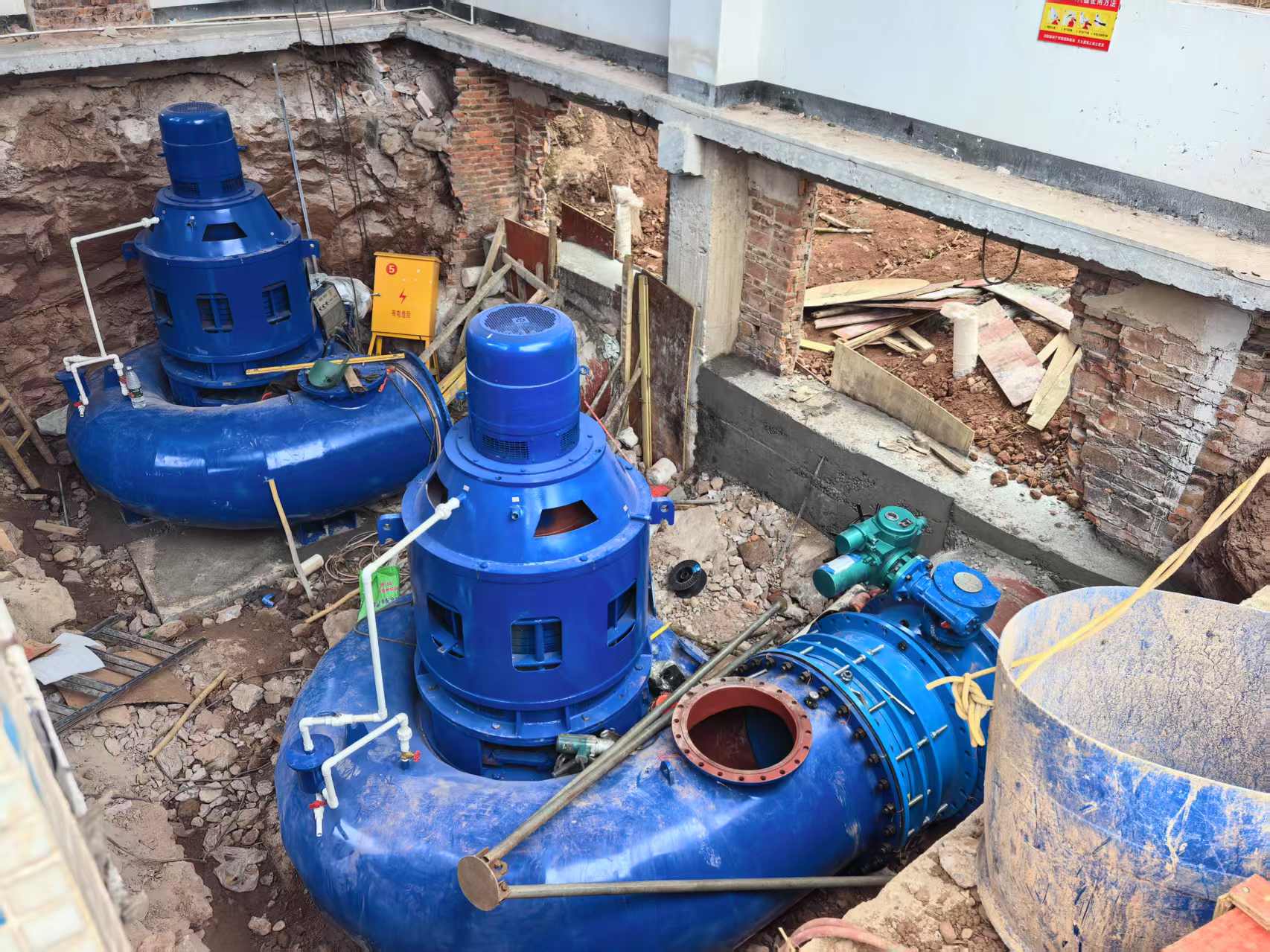
مولد توربيني كابلان
ثالثًا: هيكل السلطة في فرنسا: الدور الاستراتيجي للطاقة الكهرومائية
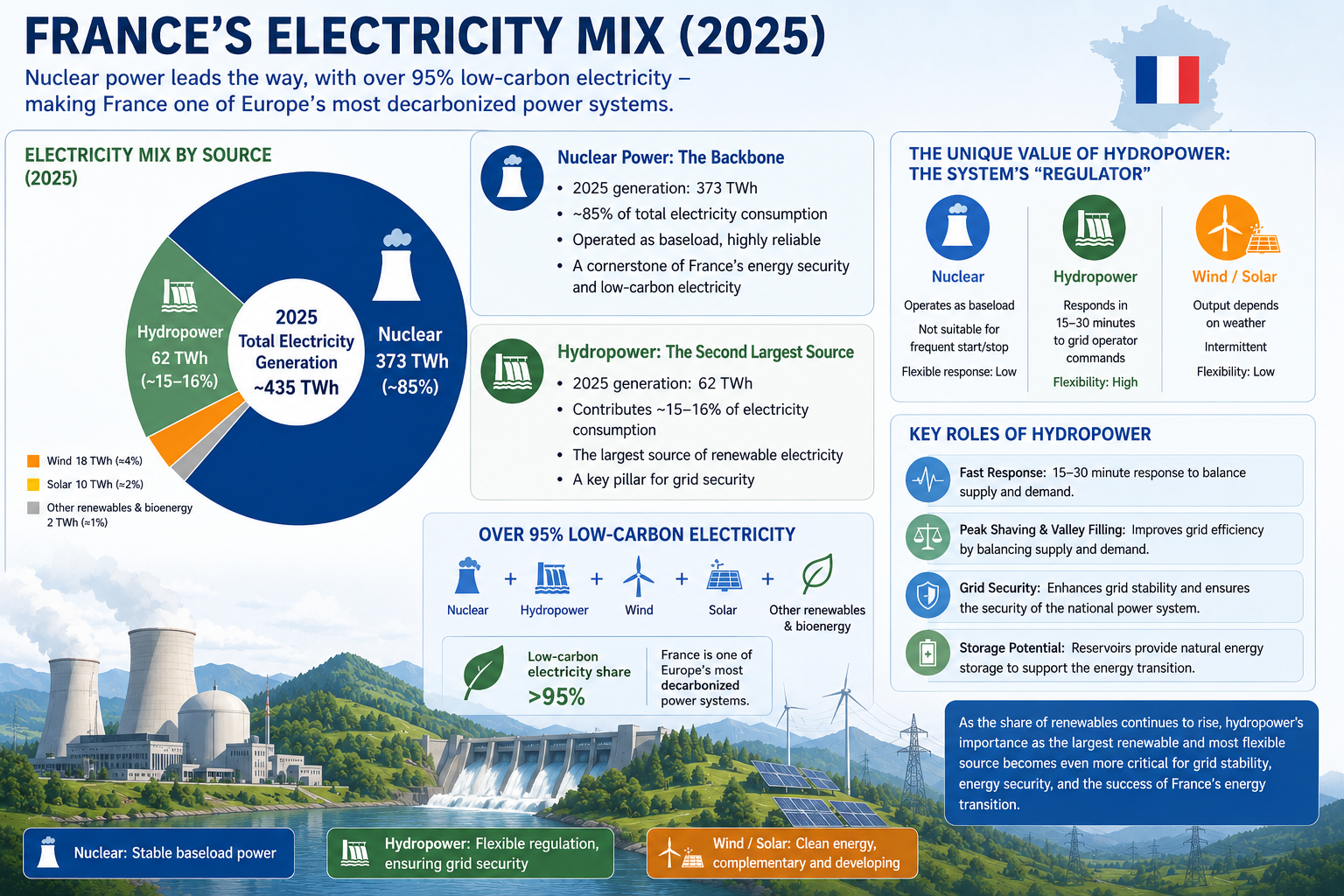
في مزيج الطاقة الكهربائية في فرنسا، لا تزال الطاقة النووية المصدر الرئيسي لتوليد الكهرباء. ففي عام 2025، بلغ إنتاج الطاقة النووية 373 تيراواط/ساعة، حيث شكلت الكهرباء منخفضة الكربون أكثر من 951 تيراواط/ساعة من إجمالي توليد الطاقة، مما يجعل فرنسا واحدة من أكثر أنظمة الكهرباء انخفاضًا في انبعاثات الكربون في أوروبا. وفي هذا السياق، تُعد الطاقة الكهرومائية ثاني أكبر مصدر للطاقة. ففي عام 2025، بلغ إنتاج الطاقة الكهرومائية 62 تيراواط/ساعة، مُغطيةً ما يقارب 151 إلى 161 تيراواط/ساعة من استهلاك الكهرباء الوطني. ومع ذلك، فإن قيمة الطاقة الكهرومائية تتجاوز بكثير مجرد حجم الإنتاج.
توفر الطاقة الكهرومائية مستوىً من المرونة لا يضاهيه لا الطاقة النووية ولا مصادر الطاقة المتجددة كالرياح والطاقة الشمسية. فالمحطات النووية مصممة أساسًا لتشغيل الأحمال الأساسية، ولا تُناسب دورات التشغيل والإيقاف المتكررة. أما توليد الطاقة من الرياح والطاقة الشمسية فيعتمد بشكل كبير على الأحوال الجوية، وبالتالي فهو متقطع بطبيعته. في المقابل، تستطيع الطاقة الكهرومائية، وخاصة محطات جريان الأنهار المزودة بإمكانية تنظيم الطاقة، الاستجابة لتعليمات الشبكة الكهربائية في غضون 15 إلى 30 دقيقة. وبفضل دورها في تخفيف ذروة الطلب، وموازنة الأحمال، والحفاظ على أمن الشبكة الكهربائية، تُعدّ الطاقة الكهرومائية بمثابة مُنظِّم ضمن نظام الطاقة.
لهذا السبب تعتبر فرنسا الطاقة الكهرومائية ركيزة أساسية لأمن شبكة الكهرباء الوطنية. ومع استمرار نمو حصة الطاقة المتجددة، فإن أهمية الطاقة الكهرومائية كأكبر مصدر للكهرباء المتجددة في البلاد لا تتضاءل. بل على العكس، فإن قابليتها للتحكم، ومساهمتها في استقرار الشبكة، وإمكانات تخزين الطاقة تجعلها ذات أهمية استراتيجية متزايدة.
رابعاً. الطاقة الكهرومائية الصغيرة في فرنسا اليوم: قدرة كبيرة قائمة، وحاجة ملحة للتحديثات
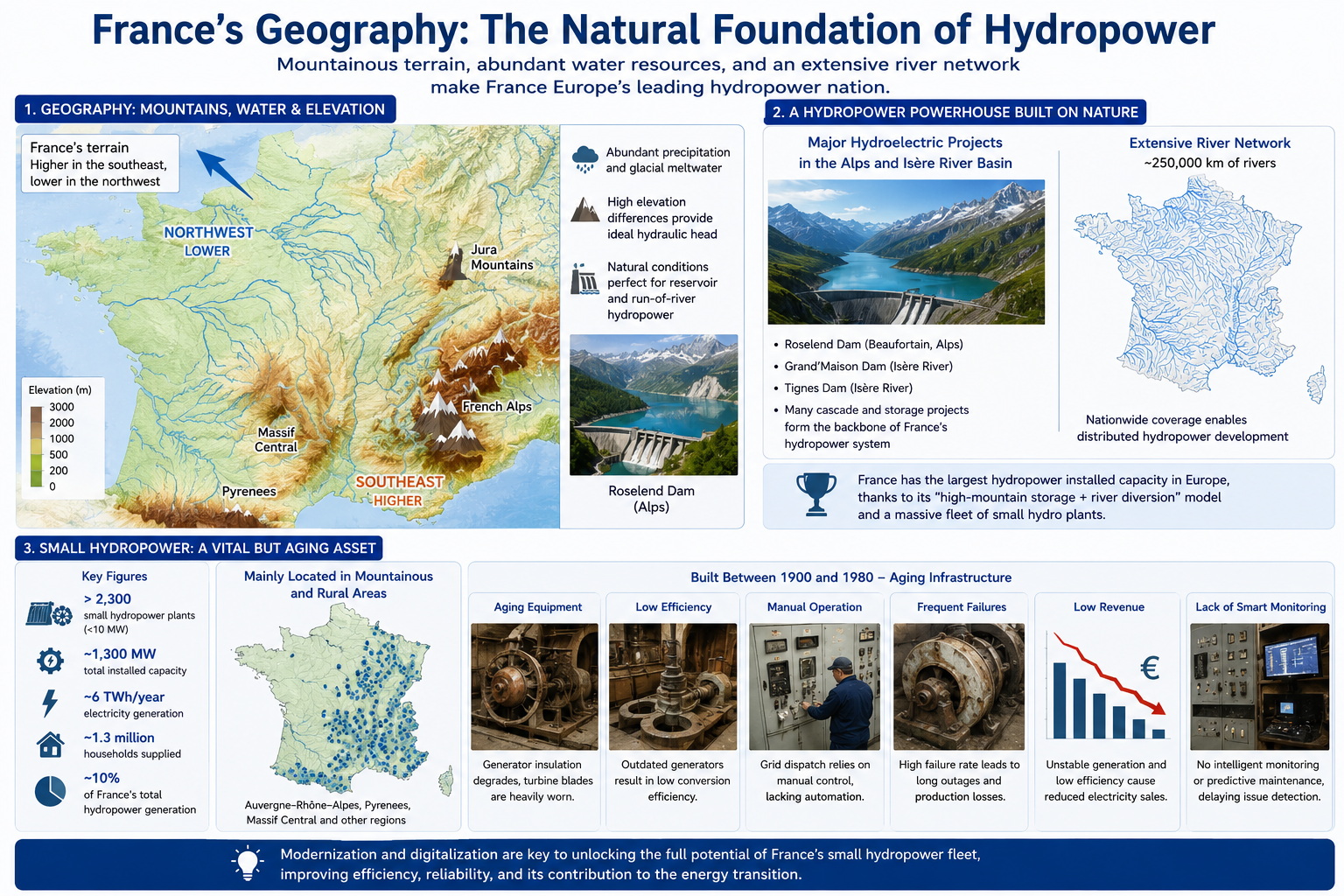
تتميز فرنسا بتضاريسها المرتفعة في الجنوب الشرقي والمنخفضة في الشمال الغربي. تمتد جبال الألب والبرانس وجبال جورا والكتلة الوسطى عبر الشرق والجنوب. لا تقتصر فوائد هذه الجبال على توفير كميات وفيرة من الأمطار وذوبان الثلوج، بل توفر أيضًا منسوبًا مائيًا عاليًا ضروريًا لتوليد الطاقة الكهرومائية. من سد روزيلاند في جبال الألب إلى مختلف المشاريع على طول نهر إيزير، تُشكل هذه الجبال العمود الفقري الطبيعي لنظام الطاقة الكهرومائية في فرنسا. في الوقت نفسه، تمتلك فرنسا 250 ألف كيلومتر من الأنهار المنتشرة في جميع أنحاء البلاد، مما يجعلها مثالية لمحطات الطاقة الكهرومائية الصغيرة والمتوسطة الحجم. هذه الجغرافيا، التي تجمع بين تخزين المياه في الجبال ونقلها عبر الأنهار، هي التي جعلت فرنسا من بين الدول الرائدة في أوروبا من حيث القدرة المركبة لتوليد الطاقة الكهرومائية. كما أدت إلى ظهور عدد كبير من محطات الطاقة الكهرومائية الصغيرة والمتوسطة الحجم.
يوجد في فرنسا حاليًا أكثر من 2300 محطة صغيرة لتوليد الطاقة الكهرومائية (أقل من 10 ميغاواط)، بإجمالي قدرة مركبة تبلغ حوالي 1300 ميغاواط. تقع معظم هذه المحطات في المناطق الجبلية والريفية، مثل منطقة أوفرن-رون-ألب. تُنتج هذه المحطات حوالي 6 تيراواط/ساعة سنويًا، وهو ما يكفي لتزويد حوالي 1.3 مليون منزل بالطاقة. يُمثل هذا ما يقارب 101 تيراواط/ساعة من إجمالي إنتاج فرنسا من الطاقة الكهرومائية. ولكن تكمن المشكلة في أن العديد من هذه المحطات بُنيت بين عامي 1900 و1980. بعد 30 أو 40 عامًا من التشغيل، أصبح تقادم المعدات مشكلة حقيقية. تتلف عوازل المولدات، وتتآكل شفرات التوربينات بشدة، وتنخفض الكفاءة، ولا يزال التحكم في الشبكة يتم يدويًا، وتتكرر الأعطال. وبدون أنظمة مراقبة ذكية، قد يستمر توقف المحطة لفترة طويلة. كل هذا يؤدي إلى انخفاض عائدات بيع الطاقة، ويؤثر سلبًا على كفاءة الشبكة بشكل عام.
بحسب هيئة تنظيم الطاقة الفرنسية، يشهد سوق الطاقة الكهرومائية الصغيرة نموًا مطردًا خلال السنوات القليلة الماضية. وتقدم الحكومة حوافز مثل دعم الاستثمار، والإعفاءات الضريبية، وشهادات الطاقة النظيفة لتشجيع المستثمرين والشركات الخاصة على الاستثمار في مشاريع الطاقة الكهرومائية الصغيرة. إلا أن تحديث محطات الطاقة الكهرومائية القديمة يتطلب مبالغ طائلة، ما يشكل عبئًا ثقيلًا على الشركات الصغيرة العاملة في هذا المجال.
مع ذلك، يكمن تحت هذه الصورة للمعدات القديمة والمتهالكة فرصة استثمارية هائلة. فمن خلال التحديثات التقنية، سواء باستبدال المعدات القديمة أو باستقطاب مستثمرين جدد، يُمكن لمعظم محطات الطاقة الكهرومائية هذه زيادة إنتاجها بمقدار 301 تريليون طن. وهذا يُعدّ مكسبًا كبيرًا في الكفاءة، ما يعني عائدًا أفضل بكثير على الاستثمار. إذ يُمكن أن تنخفض فترة استرداد تكلفة المحطة المُحدّثة من عشر سنوات إلى ما بين ثلاث وخمس سنوات فقط. وعلى مدى السنوات الخمس عشرة القادمة، ستُشكّل احتياجات فرنسا لتحديث الطاقة الكهرومائية سوقًا ضخمة. ولهذا السبب تحديدًا تُولي الحكومة الفرنسية اهتمامًا بالغًا لسياسات دعم الطاقة الكهرومائية بهدف استقرار نظام الطاقة في البلاد وتقليل الاعتماد على النفط والغاز.
خامساً: اختراق في السياسات: فرص سوقية جديدة في عام 2025
يمثل عام 2025 عاماً مفصلياً لسوق الطاقة الكهرومائية في فرنسا. ففي الثاني من يوليو/تموز 2025، وقّعت الحكومة الفرنسية والمفوضية الأوروبية أخيراً اتفاقية لإنهاء نزاع قانوني استمر لأكثر من عشر سنوات، مما أزال عقبة طويلة الأمد أمام الاستثمار في الطاقة الكهرومائية.
يتألف الإطار الجديد من ثلاثة أركان رئيسية.
أولًا، التحول من نظام الامتياز القديم إلى نموذج ترخيص أكثر مرونة. سيتمكن المشغلون الحاليون من الاستمرار في العمل، مما يضمن استقرارًا للعمال وإدارة المياه على حد سواء. ثانيًا، التزمت شركة كهرباء فرنسا (EDF) بفتح 6 جيجاواط من قدرة الطاقة الكهرومائية أمام أطراف ثالثة من خلال مزادات تنافسية تشرف عليها هيئة تنظيم الطاقة (CRE). ثالثًا، سيقدم الاتحاد الأوروبي التمويل والمساعدة التقنية لدعم مشاريع إنشاء وتحديث محطات الطاقة الكهرومائية الجديدة.
هذا يعني أن خطط الاستثمار التي تم تعليقها بسبب عدم اليقين بشأن الامتيازات يمكن استئنافها الآن في إطار قانوني واضح. وسيبدأ تدفق رؤوس الأموال الفرنسية والدولية بوتيرة أسرع إلى مشاريع تحديث محطات الطاقة الكهرومائية، كما ستشهد فرص السوق لتطوير محطات الطاقة الكهرومائية الصغيرة والمتوسطة الحجم انتعاشاً ملحوظاً.
سادساً: فرص استثمارية صغيرة في مجال الطاقة الكهرومائية للأشخاص العاديين
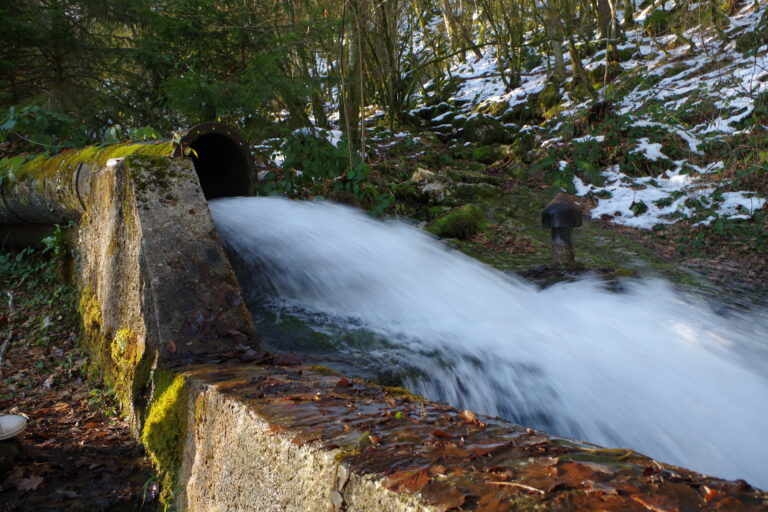
بالنسبة للمقيمين المحليين والشركات الفرنسية، يُعدّ الاستثمار في محطات الطاقة الكهرومائية الصغيرة أمراً متاحاً. في السنوات الأخيرة، استخدمت الحكومة الفرنسية حوافز مثل دعم الاستثمار والإعفاءات الضريبية والشهادات الخضراء لتشجيع الأفراد والشركات على المشاركة في مشاريع الطاقة الكهرومائية. وهناك بالفعل العديد من قصص النجاح التي تقودها المجتمعات المحلية. على سبيل المثال ماء وشمس البحيرة على سبيل المثال: قامت مجموعة مجتمعية بإنشاء محطة طاقة كهرومائية صغيرة مملوكة للمواطنين في موقع طاحونة مائية قديمة. ويتوقعون توليد حوالي 1.5 جيجاواط/ساعة سنويًا. بالإضافة إلى ذلك، يواصل برنامج المناقصات الوزاري لانتقال الطاقة، الذي بدأ العمل به منذ عام 2016، فتح آفاق جديدة في مجال الطاقة الكهرومائية الصغيرة. ويمكن للمستثمرين المشاركة من خلال هياكل قانونية مختلفة، مثل شركة مساهمة عامة أو شركة مساهمة مبسطة. كما يمكن للمواطنين شراء محطات الطاقة الكهرومائية الصغيرة القديمة وتحديثها، ما يحولها إلى مصدر دخل ثابت.
في سياق أوسع لتحقيق الحياد الكربوني، تزداد أهمية قيمة أرصدة الكربون لاستثمارات الطاقة الكهرومائية. يبذل الاتحاد الأوروبي جهودًا حثيثة لتحقيق أهدافه المتعلقة بالحياد الكربوني. ففي مارس 2026، اعتمد الاتحاد الأوروبي رسميًا تعديلًا على قانون المناخ الأوروبي، محددًا خفض انبعاثات غازات الاحتباس الحراري بمقدار 901 تريليون طن (مقارنة بمستويات عام 1990) بحلول عام 2040 كهدف ملزم قانونًا. ويقع هذا الهدف بين هدف عام 2030 المتمثل في خفض الانبعاثات بمقدار 551 تريليون طن وهدف عام 2050 لتحقيق الحياد المناخي. وفي الوقت نفسه، دخلت آلية تعديل الكربون الحدودية للاتحاد الأوروبي (CBAM) حيز التنفيذ في 1 يناير 2026. وسواء كنت شركة داخل الاتحاد الأوروبي أو مُصدِّرًا تبيع منتجاتك في أوروبا، فإنك تواجه قيودًا متزايدة الصرامة على الكربون. وبالنسبة للشركات التي ترغب في العمل في السوق الفرنسية أو سوق الاتحاد الأوروبي، يُعد جانب إدارة الكربون في استثمارات الطاقة الكهرومائية أمرًا بالغ الأهمية.
في فرنسا، تشمل الطرق المعتادة التي تتبعها الشركات لإدارة بصمتها الكربونية المشاركة في نظام الاتحاد الأوروبي لتجارة الانبعاثات (EU ETS)، والحصول على شهادات منشأ (GOs) للكهرباء النظيفة، والحصول على أرصدة كربونية طوعية. يمكن لمشروع صغير لتحديث محطات الطاقة الكهرومائية أن يُولّد شهادات خضراء قابلة للتداول، كما يمكنه إصدار أرصدة كربونية معتمدة من الدولة من خلال آليات مثل "علامة الكربون المنخفضة" الفرنسية. تُساعد هذه الأرصدة الشركات على الوفاء بالتزاماتها بخفض الانبعاثات أو دعم ادعاءاتها بشأن المنتجات المحايدة للكربون. يمكن لمحطة طاقة كهرومائية صغيرة في جبال فرنسا أن تُولّد 20,000 ميغاواط/ساعة سنويًا. بعد التحديث، يُمكنها إنتاج 6,000 ميغاواط/ساعة إضافية، أي ما يُعادل خفض 94 طنًا متريًا من مكافئ ثاني أكسيد الكربون. بأسعار الكربون الحالية، يُمكن لأرصدة الكربون وحدها أن تُدرّ إيرادات إضافية جيدة كل عام. أضف إلى ذلك الدخل من بيع الطاقة للشبكة بالإضافة إلى أي إعانات، لتحصل على فائدة ثلاثية: توليد الطاقة، ودخل من بيع الطاقة للشبكة، وأرصدة الكربون. وهذا يُتيح للمستثمرين عائدًا أكثر تنوعًا. مع سعي الاتحاد الأوروبي لخفض الانبعاثات بمقدار 901 طن متري بحلول عام 2040، ستستمر القيمة الاستراتيجية للطاقة الكهرومائية كمصدر طاقة خالٍ من الكربون في النمو. ومن المرجح أن تزداد الإيرادات المرتبطة بالكربون مع ارتفاع أسعار الكربون.
سابعاً: حلول بولاند لتحديث الطاقة الكهرومائية وقدراتها التقنية
تقدم شركة بولاند حلولاً شاملة ومتكاملة للتحديث التقني لمحطات الطاقة الكهرومائية الصغيرة في فرنسا، وتغطي ستة مجالات رئيسية.
1) تحديثات معدات مولدات التوربينات الأساسية لمحطات الطاقة الكهرومائية
لمعالجة مشكلة انخفاض كفاءة التشغيل في العديد من محطات الطاقة الكهرومائية القديمة في فرنسا، نقدم خدمات استبدال دوارات التوربينات عالية الكفاءة أو خدمات التحديث الكامل للتوربينات. تُصنع دوارات التوربينات لدينا باستخدام الفولاذ المقاوم للصدأ ZG06Cr13Ni4Mo المتين والمقاوم للتآكل كمادة أساسية، مما يُمكّن التوربين المُحدّث من العمل بكفاءة عالية لأكثر من 40 عامًا.
بإمكاننا توفير وحدات توربينية مناسبة لظروف مختلفة من حيث ارتفاع المياه وتدفقها:
توربين بيلتون لتطبيقات ارتفاع منسوب المياه وانخفاض تدفق المياه من 80 إلى 800 متر، بكفاءة تتجاوز 92%؛
توربين فرانسيس لتطبيقات ذات ارتفاع مائي متوسط يتراوح من 20 إلى 150 مترًا؛
توربين كابلان لظروف انخفاض منسوب المياه وارتفاع التدفق بين 1 و 15 مترًا.
بالإضافة إلى المولدات عالية الكفاءة القادرة على تحسين كفاءة التوليد بمقدار 15% إلى 20%، يمكن لهذه الترقيات أن تزيد بشكل كبير من قدرة إنتاج محطات الطاقة الكهرومائية.
في الوقت نفسه، نُدمج أجهزة التحكم الرقمية الحديثة ولوحات أنظمة التحكم الآلية في الحل المُطوّر، مما يُتيح التشغيل والإيقاف بضغطة زر واحدة، وتنظيم الأحمال تلقائيًا، ووظائف المراقبة عن بُعد. بعد التحديث، يُمكن لتحسين كفاءة التشغيل وتقليل فقد الطاقة أن يُحقق فوائد اقتصادية كبيرة على المدى الطويل، مع تقصير فترة استرداد تكلفة الاستثمار في التحديث التقني بشكل ملحوظ.
2) لوحات التحكم الآلي وحلول ترقية محطات الطاقة الكهرومائية غير المأهولة
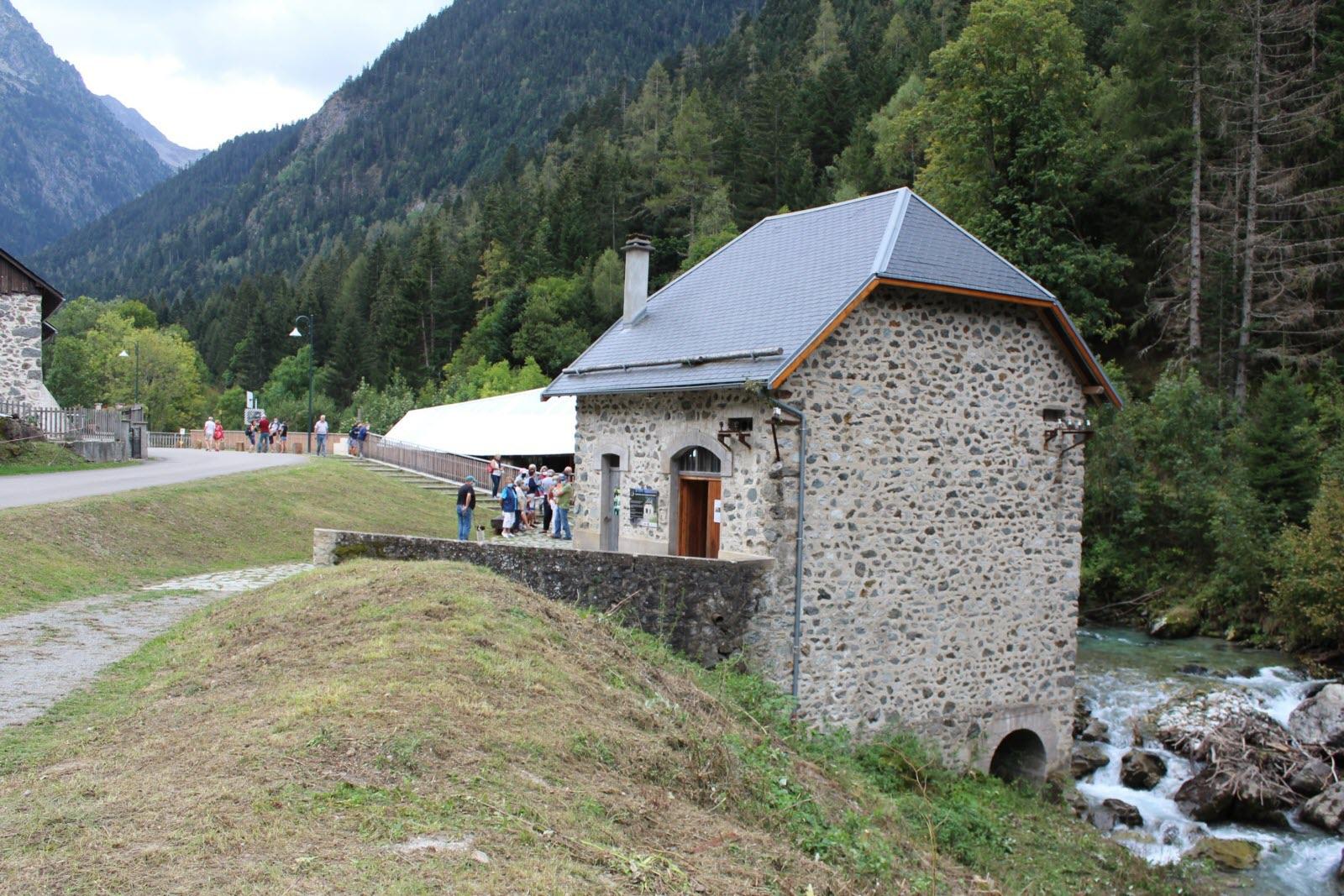
لا تزال العديد من محطات الطاقة الكهرومائية الصغيرة في فرنسا تعتمد على التشغيل اليدوي والعاملين في الموقع للإدارة اليومية. ولمعالجة هذه المشكلة، نقدم حلولاً معيارية لتحديث أنظمة التشغيل الآلي لمحطات الطاقة الكهرومائية الخاصة بكم.
الجزء الأول هو لوحة التحكم التحديث. بالنسبة لمحطات الطاقة الكهرومائية القديمة التي لا تزال تستخدم لوحات التحكم اليدوية التقليدية، نستبدلها بخزائن تحكم آلية متكاملة. تجمع كل خزانة تحكم بين أنظمة الإثارة الرقمية، والمزامنة التلقائية، ومنظمات السرعة الرقمية، والتحكم في الوحدة، ومراقبة مستوى المياه، وأنظمة الحماية، ووظائف القياس والمعايرة في منصة واحدة متكاملة. تكفي خزانة تحكم واحدة لتحقيق إدارة آلية كاملة لوحدة توليد واحدة.
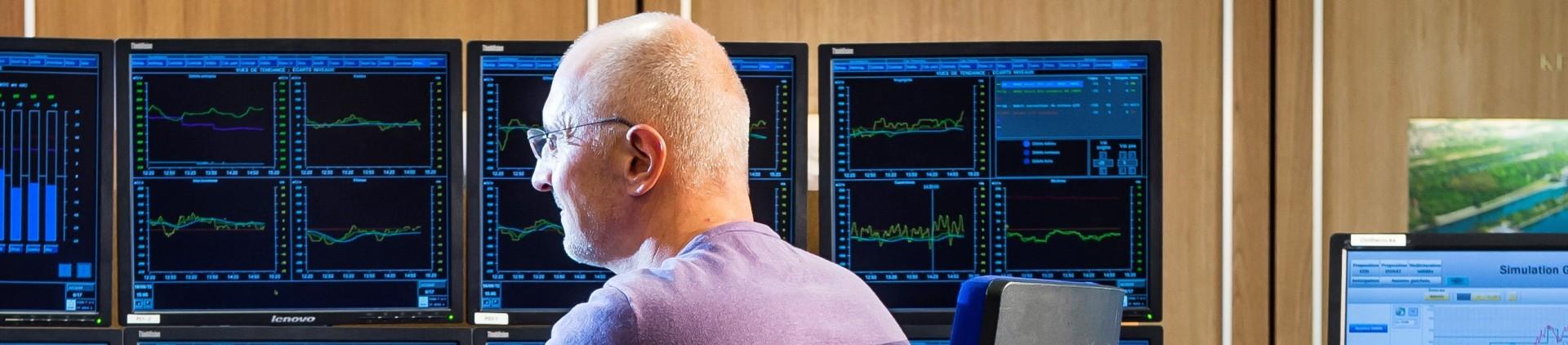
أما الجزء الثاني فيتمثل في نشر أنظمة تشغيل آلية. نستخدم أجهزة استشعار مستوى الماء بالموجات فوق الصوتية، وأجهزة قياس موضع البوابات، وغيرها من أجهزة المراقبة لجمع بيانات تشغيلية آنية، مثل مستوى الماء ومعدل تدفقه وموضع البوابات. في الوقت نفسه، تُركّب أنظمة مراقبة بالفيديو لمراقبة المناطق الرئيسية، بما في ذلك منافذ التصريف. تُرسل جميع البيانات التشغيلية ومقاطع الفيديو إلى منصة مراقبة مركزية تعتمد على نظام المعلومات الجغرافية (GIS).
يستطيع هذا النظام تشغيل أو إيقاف وحدات التوليد تلقائيًا، وتعديل خرج الحمل وفقًا لتغيرات مستويات المياه في الخزان الأمامي. كما يتضمن وظائف أساسية مثل التنظيم التلقائي للتردد والطاقة، والمزامنة التلقائية مع الشبكة، والحماية الشاملة للمولدات، والإيقاف التلقائي في حالات الطوارئ عند حدوث أعطال في المعدات.
بعد التحديث، يمكن لمحطات الطاقة الكهرومائية أن تحقق نموذج تشغيل حديث يعتمد على التشغيل بدون مراقبين أو بأقل عدد ممكن من الموظفين، مما يقلل بشكل كبير من تكاليف العمالة مع تحسين الكفاءة التشغيلية والسلامة.
في السوق الفرنسية، شركة SHEM هي شركة تابعة لـ شركة إي دي إفوقد اعتمدت الشركة بالفعل منصات إدارة عن بُعد قائمة على الشبكة لمراقبة محطات الطاقة الكهرومائية في الوقت الفعلي. وفي عام 2023، قامت فاليمو أيضاً بنشر نظام إدارة عن بُعد SCADA في محطة لا روز للطاقة الكهرومائية في فرنسا، مما أتاح وظائف التنبيه عبر الرسائل النصية القصيرة والبريد الإلكتروني، وقلل بشكل كبير من وقت التوقف الناتج عن أعطال المعدات.
تستند حلول بولاند الخاصة بنا إلى هذه التجارب التشغيلية الناجحة مع دمجها بتقنيات الأتمتة الناضجة في الصين لتوفير حلول تحديث مخصصة لمشغلي الطاقة الكهرومائية الفرنسيين.
3) تحديثات محطات التحويل وربط الشبكة
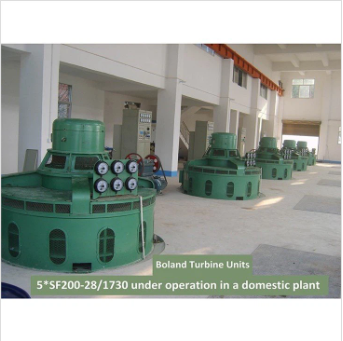
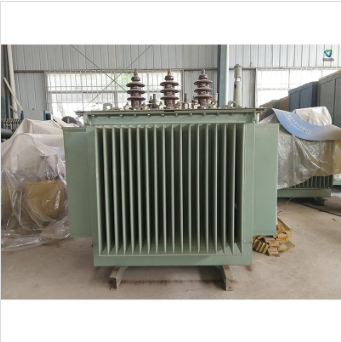
لا تزال العديد من محطات الطاقة الكهرومائية الفرنسية القديمة تعمل بمحولات تعتمد على تقنيات طُوّرت في الستينيات والسبعينيات. نحن نقدم حلولاً شاملة للتحديث تغطي مفاتيح الجهد العالي، وقواطع الدائرة، وأنظمة الحماية المرحلية، والبنية التحتية الكهربائية ذات الصلة، مع استبدال المحولات عالية الاستهلاك للطاقة بمعدات حديثة موفرة للطاقة.
كما نساعد محطات الطاقة الكهرومائية في تحديث أنظمة ربط الشبكة الخاصة بها لضمان الامتثال لأحدث المتطلبات الفنية التي وضعها مشغلو أنظمة النقل الفرنسية لدمج الشبكة.
 |
 |
4) حلول تخزين الطاقة بالضخ وتكامل مصادر الطاقة المتعددة
تُعدّ الطاقة الكهرومائية المُخزّنة بالضخّ إحدى التقنيات الرئيسية لتخزين الطاقة، والتي تُعالج مشكلة انقطاع مصادر الطاقة المتجددة. وتُحرز فرنسا تقدماً ملحوظاً في العديد من مشاريع تخزين الطاقة بالضخّ، ويمكن لشركة بولاند توفير حلول لتحديث محطات الطاقة الكهرومائية، مما يُساهم في تحسين مرونة الشبكة الكهربائية بشكل عام.
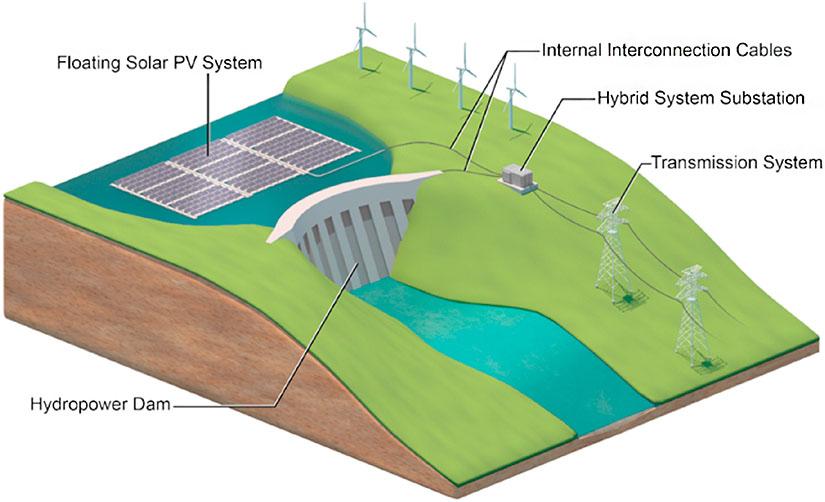
في الوقت نفسه، نعمل بنشاط على استكشاف نماذج الطاقة الهجينة، مثل دمج الطاقة الكهرومائية مع الطاقة الشمسية والطاقة الكهرومائية مع طاقة الرياح، والتي تجمع بين استقرار توليد الطاقة الكهرومائية ومزايا الطاقة النظيفة للطاقة الشمسية وطاقة الرياح. نقدم حلولاً مصممة خصيصاً لدمج أنظمة الخلايا الكهروضوئية وطاقة الرياح وتخزين الطاقة بالبطاريات مع محطات الطاقة الكهرومائية الصغيرة، مما يتيح تكامل مصادر الطاقة المتعددة ويخلق فرصاً إضافية لزيادة الإيرادات.
5) حلول الطاقة الكهرومائية لمحطات معالجة المياه وشبكات إمداد المياه
إلى جانب محطات الطاقة الكهرومائية التقليدية القائمة على الأنهار، طوّرت شركة بولاند حلولاً مبتكرة لإنشاء أنظمة الطاقة الكهرومائية ضمن شبكات إمداد المياه البلدية. ولدى فرنسا بالفعل أمثلة ناجحة لتوليد الطاقة الكهرومائية من البنية التحتية لمياه الشرب. ففي عام 2010، أصبحت مدينة نيس أول مدينة في فرنسا تُركّب توربينات مائية صغيرة ضمن شبكة مياه الشرب الخاصة بها، لتحويل الطاقة الحركية للمياه المتدفقة إلى كهرباء.
منذ ذلك الحين، نُفذت عدة مشاريع في أنحاء فرنسا. ففي محطة أنوناي لإنتاج مياه الشرب، تُولّد محطة توربينية صغيرة بقدرة 26 كيلوواط حوالي 132 ألف كيلوواط ساعة سنويًا، ما يُغطي نحو 301 تريليون طن من احتياجات المحطة من الكهرباء. وفي الوقت نفسه، قامت شركة سيكاسيل للكهرباء في غراس بتركيب توربين فرانسيس مائي صغير بقدرة 215 كيلوواط، بمعدل تدفق تصميمي يبلغ 600 لتر في الثانية، وارتفاع مائي يصل إلى 40 مترًا، قادر على تزويد حوالي 450 منزلًا بالكهرباء. وقد حظي هذا المشروع بدعم مالي من الصندوق الأوروبي للتنمية الإقليمية والوكالة الفرنسية للانتقال البيئي وإدارة الطاقة.
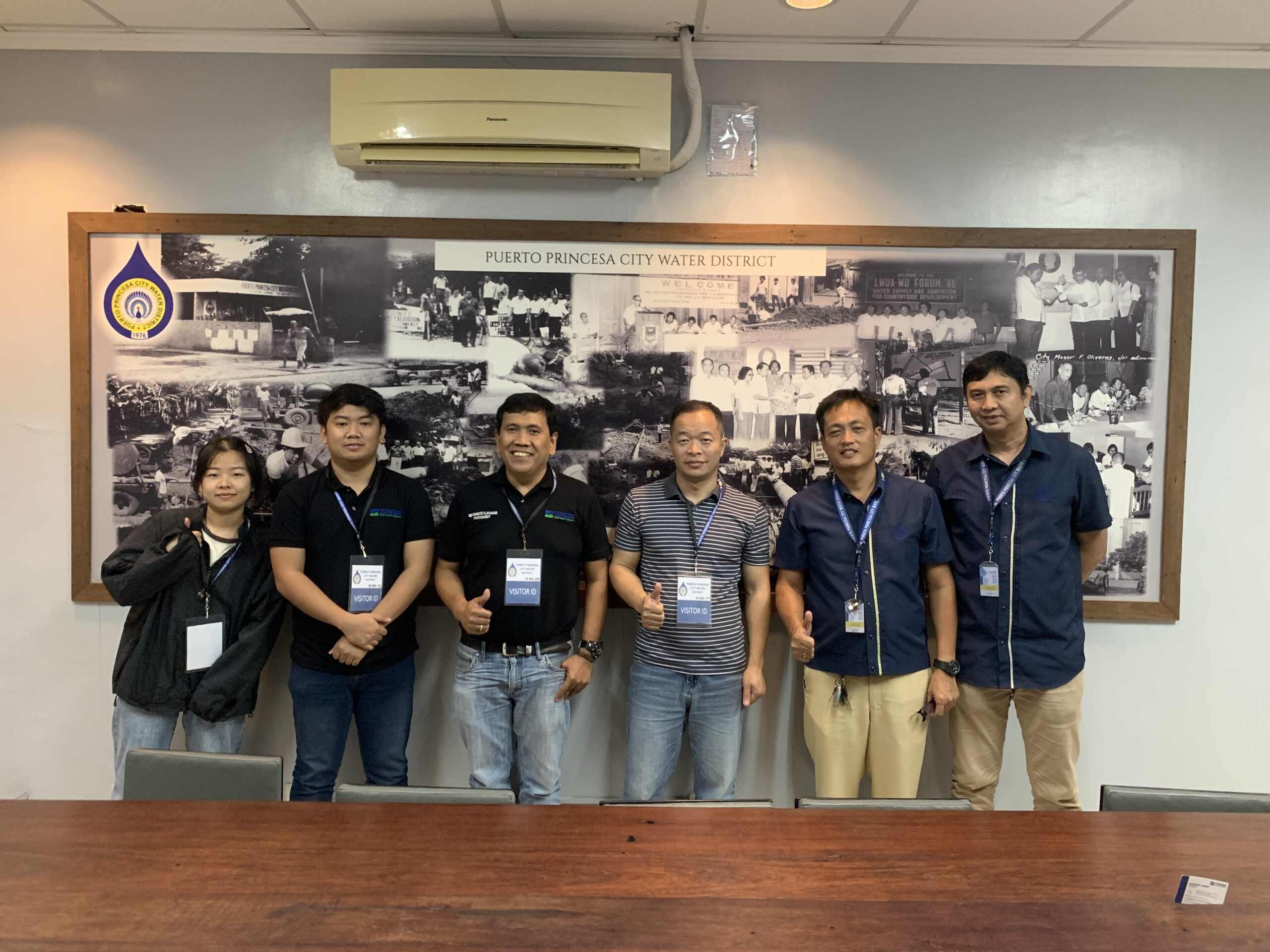
نفّذت شركة بولاند بالفعل مشاريع لتوليد الطاقة الكهرومائية باستخدام ضغط المياه الزائد في العديد من محطات معالجة المياه في الصين والفلبين، وذلك في محطات معالجة المياه في الصين والفلبين. لدينا الآن خدمات متكاملة تشمل دراسات الجدوى، واختيار المعدات، والتركيب والتشغيل، بالإضافة إلى حلول ربط الشبكة. هدفنا هو تزويد قطاع معالجة المياه الفرنسي بحلول طاقة نظيفة قائمة على مفهوم "توليد الكهرباء أثناء توصيل المياه" للاستهلاك الذاتي وتحقيق وفورات طويلة الأجل في الطاقة.
6) قدرات الدعم الفني في بولاند
شركة بولاند للطاقة الجديدة هي شركة طاقة متكاملة متخصصة في الطاقة الكهرومائية. طاقة الرياح, طاقة شمسية و تخزين البطاريات نحن ملتزمون بتوفير أنظمة طاقة متجددة متكاملة عالية الجودة تجمع بين تقنيات الطاقة الكهرومائية وطاقة الرياح والطاقة الشمسية وتخزين البطاريات.
أقمنا شراكة استراتيجية مع شركة CRRC في الصين، ويتمتع فريقنا بخبرة واسعة في تنفيذ مشاريع الطاقة الدولية. وهذا يُمكّننا من تقديم حلول مُخصصة لتلبية اللوائح الفنية المعقدة ومعايير الشبكة والمتطلبات البيئية في فرنسا.
ثامناً: التعلم من تجربة الصين في تحديث محطات الطاقة الكهرومائية الصغيرة
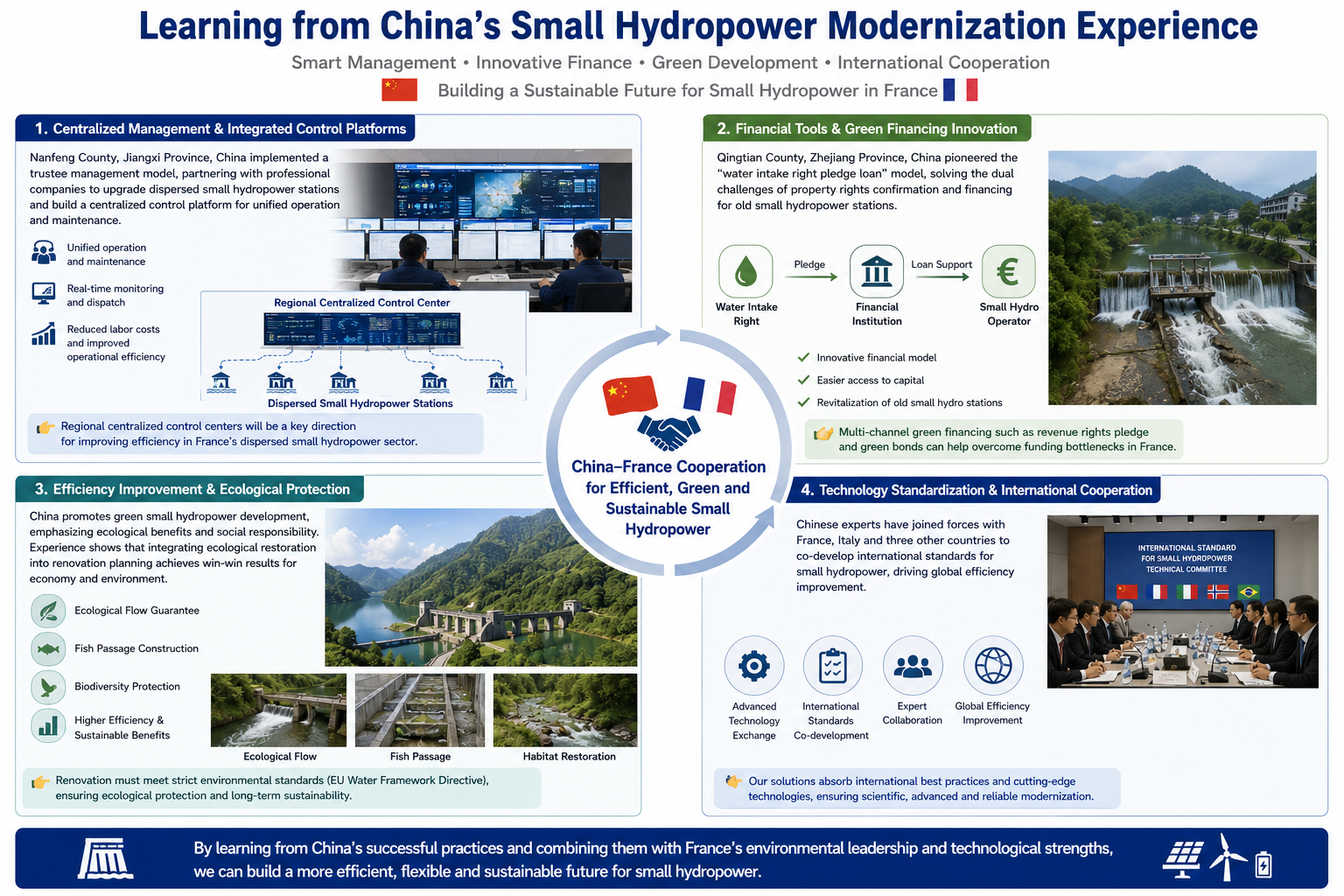
لقد راكمت الصين خبرة واسعة وقيمة في مجال التحديث التقني لمحطات الطاقة الكهرومائية، مما يوفر دروساً مهمة للسوق الفرنسية.
تطوير منصة الإدارة المركزية والتحكم المتكامل
استكشفت مدينة نانفنغ في مقاطعة جيانغشي الصينية نموذجًا لإدارة محطات الطاقة الكهرومائية الصغيرة، وذلك بالتعاون مع شركات متخصصة لتحديث المحطات المتفرقة مركزيًا وإنشاء منصات تحكم متكاملة لإدارة موحدة للتشغيل والصيانة. وقد ساهم هذا النهج بشكل كبير في خفض تكاليف العمالة وتحسين كفاءة التشغيل. كما تنتشر محطات الطاقة الكهرومائية الصغيرة في فرنسا على نطاق واسع، مما يجعل تطوير مراكز تحكم مركزية إقليمية اتجاهًا هامًا للتحديث المستقبلي.
الأدوات المالية وابتكارات التمويل الأخضر
قدّمت مدينة تشينغتيان في مقاطعة تشجيانغ الصينية نموذجًا مبتكرًا لقروض "ضمان حقوق المياه" لمعالجة صعوبات توضيح الملكية والتمويل لمحطات الطاقة الكهرومائية القديمة. ويواجه المشغلون الصغار في فرنسا تحديات تمويلية مماثلة. ويمكن الاستفادة من هذه التجربة في السوق الفرنسية لاستكشاف قنوات تمويل متنوعة، مثل ضمانات حقوق عائدات الطاقة الكهرومائية والسندات الخضراء.
التنمية المنسقة بين توسيع القدرات وحماية البيئة
في السنوات الأخيرة، شجعت الصين تطوير أنظمة الطاقة الكهرومائية الصغيرة الصديقة للبيئة، مع التركيز على الفوائد البيئية والمسؤولية الاجتماعية. وتفرض فرنسا لوائح بيئية صارمة، بما في ذلك توجيه الاتحاد الأوروبي الإطاري للمياه الذي تم اعتماده عام ٢٠١٤. ولذلك، يجب أن توازن مشاريع التحديث بين حماية التدفق البيئي، وإنشاء ممرات الأسماك، والحفاظ على التنوع البيولوجي. وتُظهر تجربة الصين أن دمج إعادة التأهيل البيئي في تخطيط تحديث الطاقة الكهرومائية يُمكن أن يُحقق نتائج مُرضية للجميع، تجمع بين العوائد الاقتصادية والمسؤولية البيئية.
التقييس الفني والتعاون الدولي
في مجال تكنولوجيا الطاقة الكهرومائية الصغيرة، لعب الخبراء الصينيون دوراً محورياً في تنسيق تطوير المعايير الدولية بالتعاون مع خبراء من فرنسا وإيطاليا ودول أخرى، مما ساهم في تحسين كفاءة تشغيل محطات الطاقة الكهرومائية الصغيرة في جميع أنحاء العالم. وهذا يُظهر أن الصين وفرنسا تمتلكان بالفعل أساساً متيناً للتعاون في قطاع الطاقة الكهرومائية الصغيرة. صُممت حلولنا للتحديث لتشمل أحدث التقنيات الدولية وأفضل الممارسات، بما يضمن الموثوقية التقنية والابتكار.
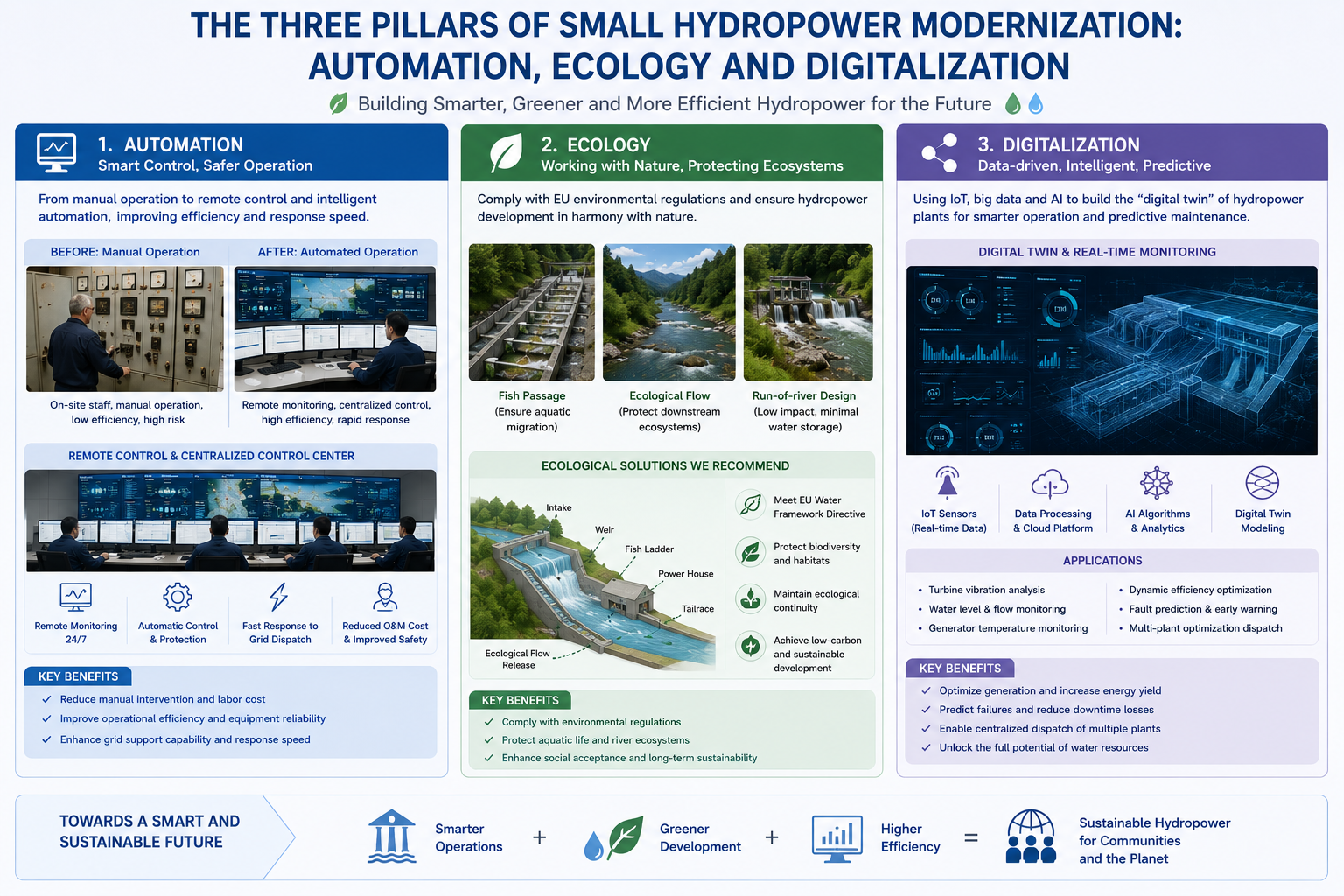
ثامناً: ثلاثة اتجاهات أساسية لتحديث محطات الطاقة الكهرومائية الصغيرة: الأتمتة، والتكامل البيئي، والرقمنة
1) الأتمتة هي القوة الدافعة وراء تحديثات الطاقة الكهرومائية الحديثة.
لا تزال العديد من محطات الطاقة الكهرومائية الصغيرة في فرنسا تعتمد على التشغيل اليدوي والإشراف الميداني، مما يؤدي إلى انخفاض كفاءة التشغيل وزيادة مخاطر السلامة. من خلال إدخال أنظمة المراقبة عن بُعد ولوحات التحكم المركزية الذكية، يمكن لمحطات الطاقة الكهرومائية تقليل التدخل اليدوي بشكل كبير مع تحسين الاستجابة لتوجيهات الشبكة. وقد اعتمدت بعض محطات الطاقة الكهرومائية في فرنسا بالفعل نماذج تشغيل آلية تُدار عن بُعد من مراكز تحكم مركزية في ليون. وتتمثل الخطوة التالية في توسيع نطاق هذا النهج التشغيلي المتقدم ليشمل مجموعة أوسع من محطات الطاقة الكهرومائية الصغيرة في جميع أنحاء البلاد.
2) أصبح التكامل البيئي شرطاً أساسياً لتحديث الطاقة الكهرومائية.
يخضع تطوير الطاقة الكهرومائية في فرنسا لأنظمة بيئية صارمة بموجب سياسات الاتحاد الأوروبي. عند تحويل طواحين المياه القديمة إلى محطات طاقة كهرومائية صغيرة، يجب مراعاة الاعتبارات البيئية بشكل كامل، مثل هجرة الأسماك واستمرارية مجرى النهر. وتوصي شركة بولاند، في حلولها التقنية، باستخدام ممرات الأسماك، وأنظمة إطلاق التدفق البيئي، وتصاميم جريان النهر منخفضة التأثير، لضمان بقاء الطاقة الكهرومائية مصدراً نظيفاً للطاقة يتعايش بانسجام مع الطبيعة.
3) الرقمنة هي مستقبل تطوير الطاقة الكهرومائية.
بفضل مستشعرات إنترنت الأشياء، ومعالجة البيانات في الوقت الفعلي، والتحليلات المدعومة بالذكاء الاصطناعي، يستطيع مشغلو محطات الطاقة الكهرومائية بناء نماذج رقمية توأمية لها. تُمكّن هذه الأنظمة من المراقبة المستمرة والتحليل التنبؤي للمعايير الرئيسية، مثل اهتزاز التوربينات، وتقلبات مستوى المياه، وأداء موازنة التوربينات. لا يُحسّن هذا كفاءة التوليد واستراتيجية التشغيل فحسب، بل يُوفّر أيضًا إنذارات مبكرة بالأعطال، مما يُساعد على تقليل وقت التوقف وخسائر الصيانة. والأهم من ذلك، تُتيح الأنظمة الرقمية إمكانية إدارة وتشغيل محطات الطاقة الكهرومائية المتعددة في منطقة واحدة مركزيًا، مما يُتيح الاستفادة القصوى من موارد المياه المتاحة.
VV. عمليات التشغيل والصيانة المحلية: استراتيجية بولاند لتنفيذ مشاريع تحديث الطاقة الكهرومائية في فرنسا
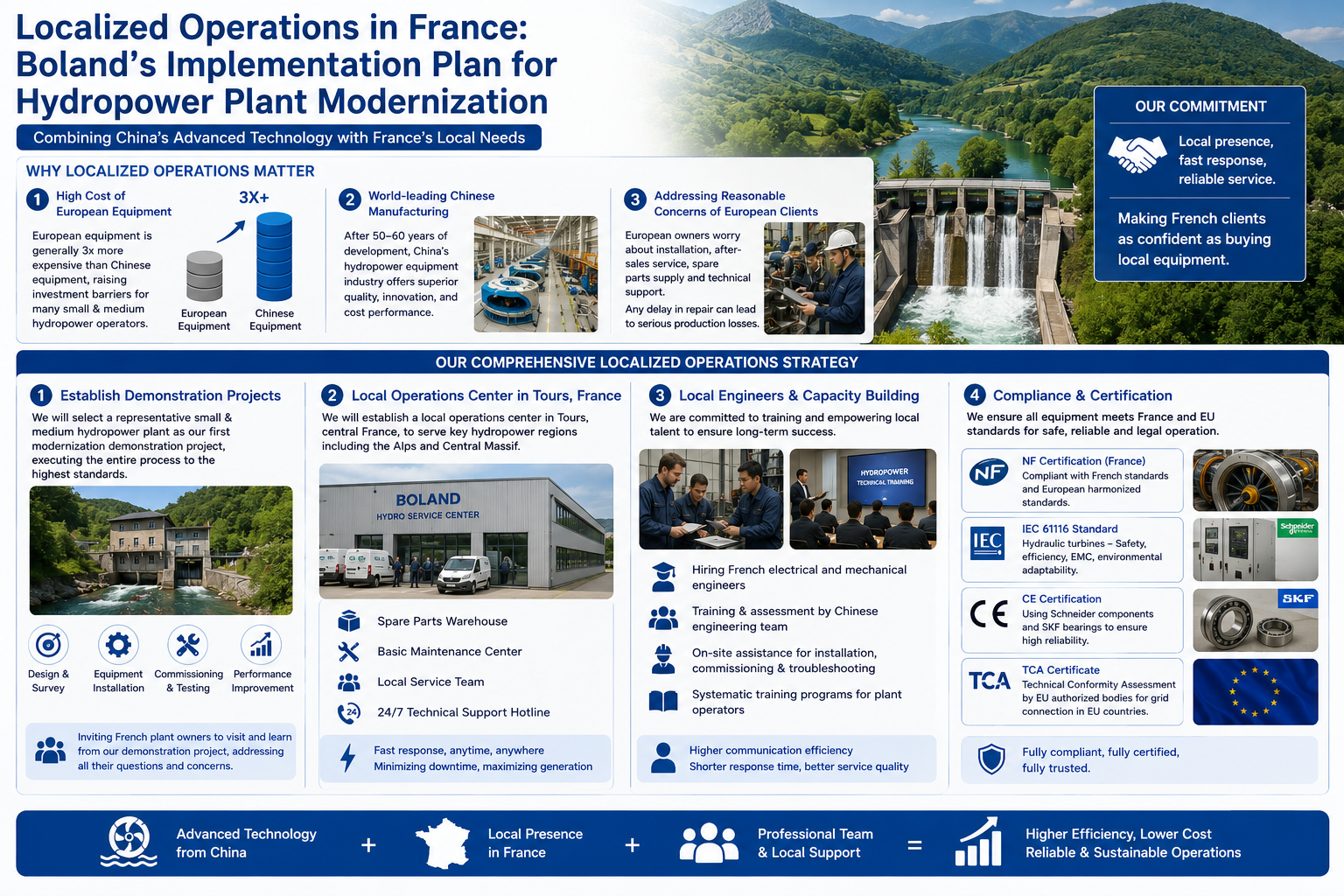
لضمان نجاح تنفيذ مشاريع تحديث محطات الطاقة الكهرومائية في فرنسا، من الضروري دمج القدرات التكنولوجية الصينية المتقدمة بفعالية مع احتياجات السوق المحلية من خلال نموذج تشغيل محلي. وهناك ثلاثة أسباب رئيسية لهذا النهج.
أولاًعلى الرغم من امتلاك الشركات الأوروبية المصنعة لمعدات الطاقة الكهرومائية خبرة فنية عالية وعلامات تجارية راسخة، إلا أن معداتها باهظة الثمن عموماً، وغالباً ما تتجاوز تكلفتها ثلاثة أضعاف سعر المعدات الصينية المماثلة. وهذا يشكل عائقاً استثمارياً كبيراً أمام العديد من مشغلي محطات الطاقة الكهرومائية الصغيرة والمتوسطة الحجم فيما يتعلق بشراء المعدات ومشاريع التحديث.
ثانيةبعد أكثر من خمسة إلى ستة عقود من التطوير، حققت صناعة تصنيع معدات الطاقة الكهرومائية في الصين معايير عالمية رائدة في مراقبة الجودة والابتكار التكنولوجي والفعالية من حيث التكلفة. ويستطيع المصنعون الصينيون توفير منتجات ذات أداء مماثل أو حتى أفضل بأسعار تنافسية للغاية.
ثالثلا يزال لدى العديد من مالكي محطات الطاقة الكهرومائية الصغيرة في أوروبا مخاوف مفهومة بشأن شراء المعدات الصينية. فهم قلقون بشأن سلاسة عملية التركيب والتشغيل، وإمكانية توفير خدمات الصيانة وقطع الغيار في الوقت المناسب، ومدى موثوقية الدعم الفني على المدى الطويل. هذه المخاوف في محلها، لأنه في حال تعطل المعدات وتوقفها لفترة طويلة دون إصلاح فوري، فإن الخسائر التشغيلية الناتجة لمحطة الطاقة الكهرومائية قد تكون فادحة.
ولهذا السبب تحديداً تلتزم شركة بولاند بتعزيز نموذج عمليات محلي للقضاء على هذه المخاوف وتمكين مشغلي الطاقة الكهرومائية الفرنسيين من اختيار المعدات الصينية بنفس الثقة التي يتمتعون بها في الأنظمة الموردة محلياً.
وبناءً على هذه الاحتياجات، قمنا بتطوير استراتيجية شاملة ومحلية للعمليات والصيانة للسوق الفرنسية:
1) إنشاء مشاريع تجريبية
سنختار محطة طاقة كهرومائية صغيرة أو متوسطة الحجم لتكون مشروعنا التجريبي الأول للتحديث. بدءًا من مسح الموقع والتصميم الهندسي، وصولًا إلى تركيب المعدات وتشغيلها، سيتم تنفيذ كل مرحلة وفقًا لأعلى المعايير. من خلال الأثر التجريبي لهذا المشروع، سنُظهر بشكل مباشر تحسينات الكفاءة والعائد على الاستثمار لأصحاب محطات الطاقة الكهرومائية في فرنسا. كما نعتزم دعوة أصحاب محطات الطاقة الكهرومائية من مختلف أنحاء فرنسا لزيارة الموقع التجريبي ودراسته، مع تقديم إجابات لجميع استفساراتهم الفنية والتشغيلية.
2) إنشاء مركز عمليات وصيانة محلي في مدينة تور الفرنسية
تتمتع مدينة تور بموقع استراتيجي في وسط فرنسا، مع سهولة الوصول إلى وسائل النقل، مما يتيح تغطية فعّالة للمناطق الغنية بالطاقة الكهرومائية مثل جبال الألب ومنطقة ماسيف سنترال. سنقوم بإنشاء مستودع لقطع الغيار، ومركز صيانة أساسي، وفريق خدمة محلي، وخط ساخن للدعم الفني يعمل على مدار الساعة في تور لضمان الاستجابة السريعة عند حدوث أي مشكلة في المعدات.
3) توطين فرق الهندسة والتدريب التقني
نحن ملتزمون ببناء قدرات تقنية محلية قوية. سيتم توظيف مهندسين كهربائيين وميكانيكيين فرنسيين وتدريبهم من قبل فريقنا الهندسي الصيني قبل تكليفهم بالعمل في مواقع المشاريع للمساعدة في تركيب المعدات وتشغيلها. في الوقت نفسه، سنقدم برامج تدريبية منهجية لمشغلي محطات الطاقة الكهرومائية لضمان التشغيل المستقر على المدى الطويل بعد اكتمال عملية التحديث. من خلال فرق محلية، سيتم تحسين كفاءة التواصل بشكل ملحوظ أثناء التركيب والتشغيل، بينما ستصل أوقات الاستجابة للصيانة إلى معايير رائدة في هذا المجال.
4) تعزيز أنظمة الامتثال والشهادات
يفرض السوق الفرنسي متطلبات صارمة للحصول على شهادات اعتماد للمعدات الصناعية. ووفقًا للمعايير الفرنسية (شهادة NF) والمعايير الأوروبية الموحدة، نضمن امتثال معدات الطاقة الكهرومائية من بولاند لمتطلبات شهادة NF. أما بالنسبة لوحدات توليد الطاقة الكهرومائية، فنحن نتبع معايير IEC 61116 لضمان الامتثال في مجالات السلامة والأداء والتوافق الكهرومغناطيسي والملاءمة البيئية، بما يفي تمامًا بمتطلبات دخول السوق الفرنسية.
بالنسبة لمعدات توليد الطاقة، سنعتمد مكونات من شنايدر إلكتريك ومحامل من إس كيه إف لضمان الامتثال لمعايير المطابقة الأوروبية (CE) وغيرها من الشهادات ذات الصلة. إضافةً إلى ذلك، يجب أن تحصل المعدات الكهربائية المُصدَّرة إلى الاتحاد الأوروبي على شهادة المطابقة الفنية (TCA) الصادرة عن جهة اعتماد معتمدة من الاتحاد الأوروبي قبل ربطها بشبكة الكهرباء في الدول الأعضاء. وقد اتخذنا بالفعل كافة الاستعدادات اللازمة لضمان امتثال جميع المعدات المستوردة بشكل كامل لأحدث المعايير التنظيمية.
خطة تنفيذ أعمال البناء والاستثمار بنظام تسليم المفتاح (EPC)
استناداً إلى القدرات التقنية المذكورة أعلاه ونظام التشغيل والصيانة المحلي، تقدم شركة بولاند للمستثمرين الفرنسيين حلولاً متكاملة تتراوح من اختيار المعدات إلى التشغيل النهائي.
في اختيار المعدات، نلتزم بمبدأين أساسيين. أولهما المرونة التقنية. فبحسب ظروف التشغيل المختلفة، بما في ذلك مستويات المياه المختلفة (عالية/متوسطة/منخفضة) ومعدلات التدفق المختلفة (كبيرة/متوسطة/صغيرة)، نوصي بأنواع التوربينات الأنسب: توربينات بيلتون للتطبيقات ذات المستويات العالية، وتوربينات فرانسيس للتطبيقات ذات المستويات المتوسطة، وتوربينات كابلان أو التوربينات الأنبوبية للتطبيقات ذات المستويات المنخفضة ومعدلات التدفق العالية. أما المبدأ الثاني فهو تحقيق التوازن بين الكفاءة والموثوقية. تتميز خزائن التحكم الآلية بتصميمها المعياري، وتدعم التحديثات والصيانة عن بُعد.
من حيث الكفاءة الاقتصادية، في إطار نموذج تسليم المفتاح EPC، نتحمل المسؤولية الكاملة عن التصميم والمشتريات والإنشاء، بينما يحتاج مالك المشروع فقط إلى توفير الموقع ودعم ربط الشبكة.
بالنسبة لمحطات الطاقة الكهرومائية ذات الظروف المناسبة، سنقدم أيضًا حلولًا متكاملة تجمع بين أنظمة تخزين الطاقة التجارية والصناعية، وطاقة الرياح، وأنظمة الطاقة الكهروضوئية، مستفيدين من قدرة الطاقة الكهرومائية على التوزيع المرن لتحقيق توازن الأحمال التكميلية متعددة مصادر الطاقة.
سابعاً: الخاتمة
بالعودة إلى ذلك اليوم الربيعي في باريس المذكور في بداية هذا المقال، نجد أن ما بدأ كرحلة ثقافية قد تطور في نهاية المطاف إلى فهم عميق للسوق. يمر نظام الطاقة الكهرومائية في فرنسا الآن بمرحلة انتقالية حاسمة بين القديم والجديد. وقد رسخت مزاياها الجغرافية الطبيعية مكانة الطاقة الكهرومائية كمصدر أساسي لا غنى عنه للكهرباء المتجددة. كما فتحت الإصلاحات السياسية نافذة استثمارية لتلبية متطلبات التحديث التي طال كبتها. وقد ساهم التقدم المحرز نحو تحقيق أهداف الحياد الكربوني في زيادة القيمة الكربونية لاستثمارات الطاقة الكهرومائية. وفي الوقت نفسه، توفر تجربة الصين المتقدمة في قطاع الطاقة الكهرومائية الصغيرة لفرنسا مسارًا فعالًا واقتصاديًا وصديقًا للبيئة للتحديث.
بصفتها مزود حلول منخرط بعمق في صناعة الطاقة المتجددة، تلتزم بولاند بدعم التحديث التكنولوجي لمحطات الطاقة الكهرومائية القديمة في فرنسا من خلال حلول المعدات الأساسية المستقرة والشاملة ونظام التشغيل والصيانة المحلي، مما يساعد على بناء شبكة طاقة أنظف وأكثر خضرة وكفاءة وذكاءً عبر مناظر فرنسا الطبيعية.
إذا كنت تخطط لبناء محطة طاقة كهرومائية جديدة أو تحديث محطة قائمة، فلا تتردد في للتواصلتواصل مع فريق الهندسة والمبيعات في بولاند عبر واتساب: 008613823302586 للحصول على حلول احترافية لتوليد الطاقة الكهرومائية.